

 Nils Rasmussen – Process Improvement for Effective Budgeting and Financial Reporting
 Philip Best – Investing Value at Risk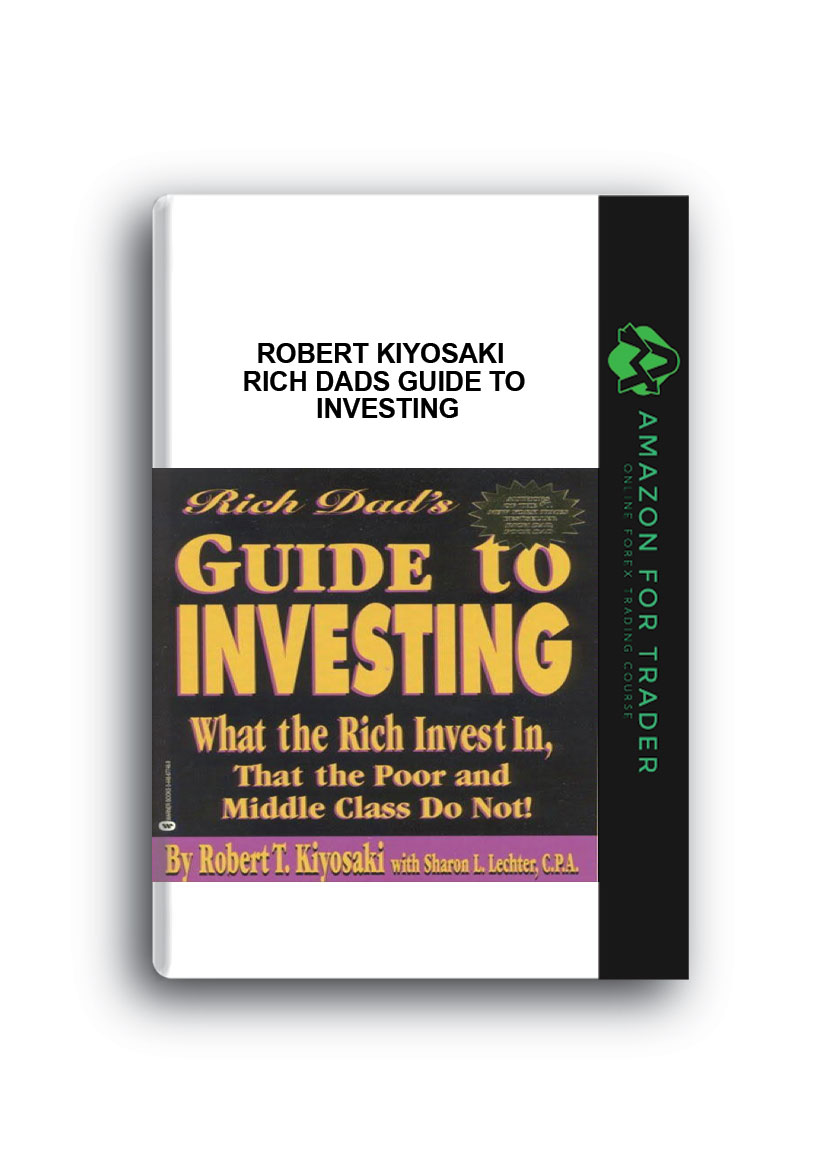
Description
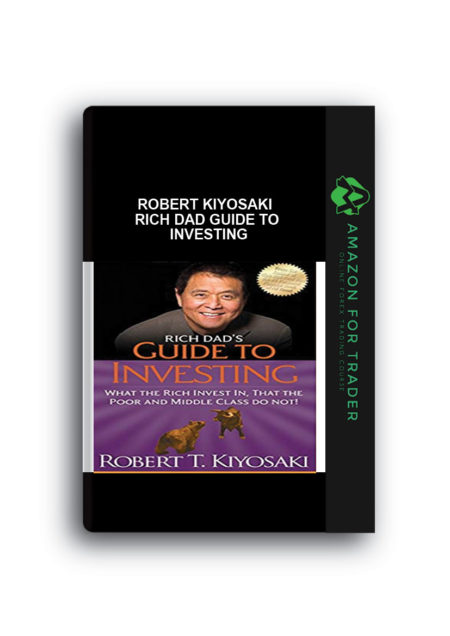
Robert Kiyosaki – Rich Dads Guide To Investing

Guide to Investing
“Investing means different things to different people. In fact, there are different investments for the rich, poor, and middle class. Rich Dad’s Guide to Investing is a long-term guide for anyone who wants to become a rich investor and invest in what the rich invest in. As the title states, it is a ‘guide’ and offers no guarantees…only guidance.” ―Robert Kiyosaki
Rich Dad’s Guide to Investing will reveal…
- Rich Dad’s basic rules of investing
• How to reduce your investment risk
• Rich Dad’s 10 Investor Controls
• How to convert your ordinary income into passive and portfolio income
• How you can be the ultimate investor
• How to turn your ideas into multimillion-dollar businesses
• How and why many people today will go bankrupt
Amazon.com Review
The rich are different from the rest of us, if for no other reason than U.S. tax and securities laws allow them to invest in ways that keep us from catching up to them. That’s why 90 percent of all corporate shares of stock are owned by 10 percent of the people. Kiyosaki believes it’s possible for anyone to move up into that 10 percent, but it takes a different view of investing than most people have: it takes a plan to be a successful investor. And a plan is more than simply buying and selling, or collecting “assets” that bring in no cash and are thus more akin to liabilities. The way most people invest, “they might as well be pushing a wheelbarrow in a circle,” he writes. A plan is “mechanical, automatic, and boring,” a formula for success that has worked historically for most of those who’ve used it. Kiyosaki’s “rich dad” (actually, the father of his best friend) tells him the simplest analogy is the game Monopoly: buy four green houses, trade them for one red hotel, and repeat until you become rich.
The overall message of Rich Dad’s Guide to Investing is that this is an abundant world, full of opportunity for the sophisticated investor. However, it sometimes takes a while to find this point. Much of the book is told in dialogues between young Kiyosaki and his rich dad, and these conversations can ramble. There are rewards for the careful reader–for example, in the middle of a section on the basic rules of investing, Kiyosaki’s rich dad compares investor education to toilet training: difficult at first but eventually automatic. But getting to these inspired metaphors means wading through a lot of repetitive dialogue. It’s a bit ironic that someone who advocates investor discipline should show so little as a writer. But by the end of the book, even the rambling starts to make sense. By the hundredth time you read that the rich don’t work for money, and that you don’t need money to make money, both concepts start to make sense. It still looks difficult to apply these ideas, but Rich Dad’s Guide to Investing certainly makes the case that they’ll work for anyone bold and smart enough to practice them. –Lou Schuler –This text refers to an out of print or unavailable edition of this title.
Review
“Investing means different things to different people. In fact there are different investments for the rich, poor and middle class. Rich Dad’s Guide To Investing is a long-term guide for anyone wanting to become a rich investor and invest in what the rich invest in. As the title states, it is a “guide” and offers no guarantees…just as my rich dad offered me no guarantees…only guidance.” Robert T. Kiyosaki. Author of Rich Dad, Poor Dad & Rich Dad’s Cashflow Quadrant –This text refers to an out of print or unavailable edition of this title.
Robert Kiyosaki, Rich Dads Guide To Investing, Download Rich Dads Guide To Investing, Free Rich Dads Guide To Investing, Rich Dads Guide To Investing Torrent, Rich Dads Guide To Investing Review, Rich Dads Guide To Investing Groupbuy.
Reviews
There are no reviews yet.